
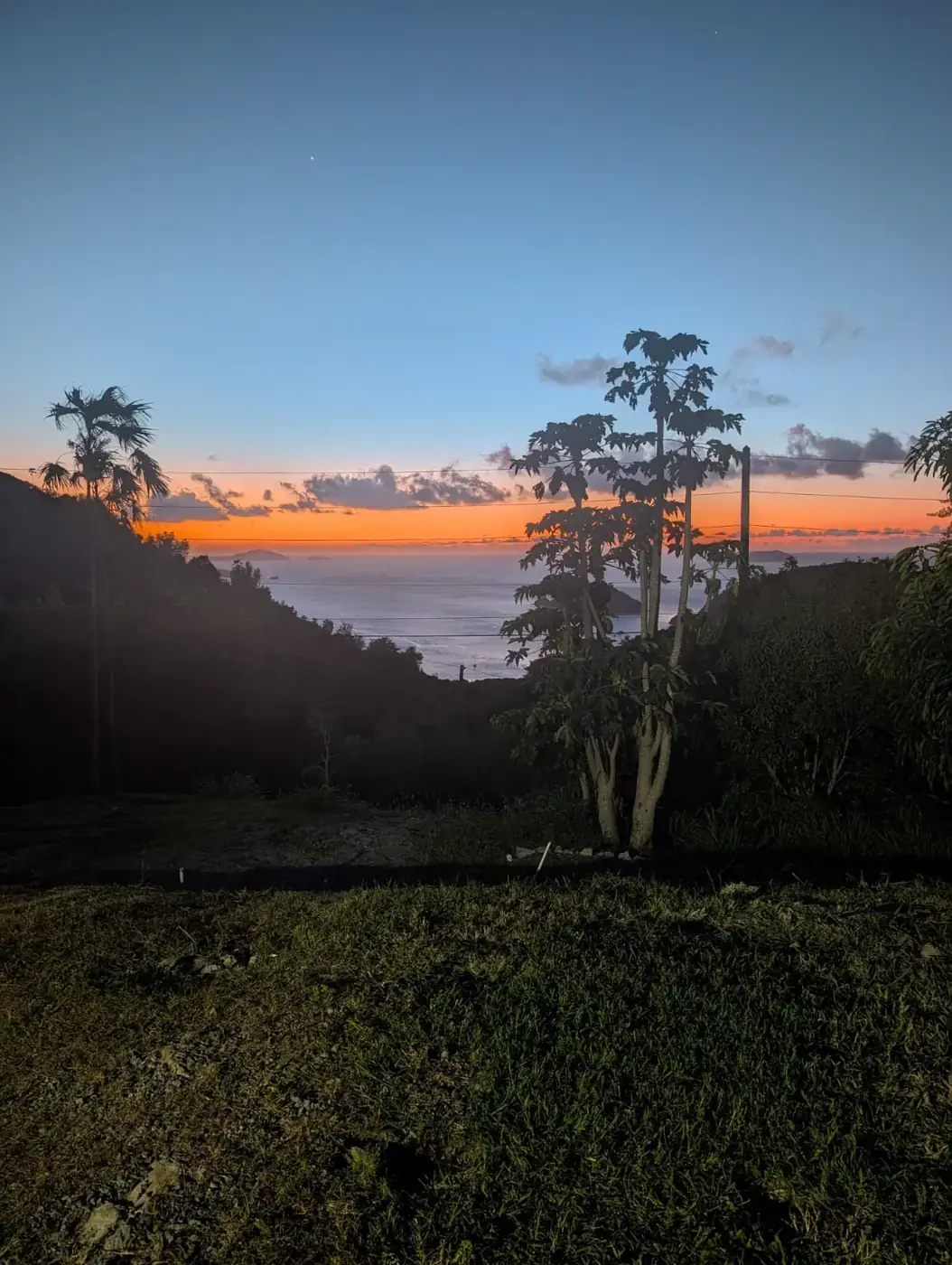
Is St. John Safe? An Honest Guide for Visitors
St. John is a safe destination. The real risks are driving, sun, ocean conditions and car break-ins — here is how locals handle each one.
· 5 min read · The Drifters Team
Yes. St. John is generally a safe place to visit, and violent crime against visitors is rare. It is also a small, mountainous island where the real risks are environmental rather than criminal: steep unfamiliar roads, strong sun, ocean conditions, and property theft from unattended vehicles and beach bags.
Plan for those four things and you have covered most of what actually goes wrong here.
Crime: what to expect
The most common issue visitors experience is theft from vehicles and beaches, not confrontation. Rental Jeeps are recognizable and often open-topped, and beach parking lots are unattended.
Practical rules:
- Never leave anything visible in a parked vehicle — not a bag, not a phone charger, not a towel over something.
- Leave the Jeep unlocked with the soft top down rather than having a window or top cut. Locals do this deliberately.
- Take only one card, minimal cash, and one key to the beach.
- Do not leave phones and wallets on a towel while everyone snorkels; use a dry bag in the water or rotate who stays ashore.
- Use the villa safe for passports and spare cards.
Cruz Bay at night is generally relaxed, but use ordinary judgment: stay on lit main areas, keep your group together, and take a taxi rather than walking unfamiliar dark roads.
Driving is the biggest real risk
Traffic keeps left, roads are steep, curves are blind, and rain makes the pavement slick fast. St. John's three main arteries each have a different personality:
- Centerline Road (Route 10) runs east-west across the island's spine, connecting Cruz Bay to Coral Bay. It is the fastest way across the island but still climbs and drops repeatedly, with tight curves through the National Park.
- North Shore Road (Route 20) hugs the coast past Trunk, Cinnamon, Maho, and Francis Bays. It is scenic but narrow, with cars often stopped in the road to let passengers out at beach entrances.
- Route 107 drops south from Centerline to Coral Bay and continues toward Salt Pond and Ram Head; the descent into Coral Bay is one of the steepest sustained grades on the island.
Nearly every rental Jeep on St. John is a genuine left-hand-drive vehicle, which does not match the left-side driving. That mismatch is exactly when people drift toward the wrong side after a stop sign or a gas stop.
- Say "keep left" out loud after every stop; that is when mistakes happen.
- Use low gear on descents instead of overheating the brakes — this matters most on the Route 107 grade into Coral Bay and on the steep pitches off Centerline.
- Honk once at blind curves.
- Do not drive the hills after drinking. Taxi instead.
- Watch for goats, donkeys, iguanas, chickens, and pedestrians in the road.
- Park fully off the travel lane; North Shore Road has almost no shoulder at most beach entrances.
See our one-day Jeep route for a realistic driving pace.
Parking realities
Beach and trailhead parking on St. John fills up, especially Trunk Bay and Cinnamon Bay by mid-morning in high season. Arriving before 9:30 AM is the most reliable way to get a legal spot. Do not park on the roadway itself, even if other cars have done so — it narrows an already tight road and is where fender-benders happen. Cruz Bay's in-town parking is limited and mostly metered or time-limited; many visitors park once and walk or taxi for the rest of the day.
Ocean and beach safety
Virgin Islands National Park beaches — including Trunk Bay — have no lifeguards. You are responsible for your own assessment.
- Check conditions before entering; surf and current change with swell and season.
- Snorkel with a buddy, and stay clear of boat channels.
- Wear a rash guard for sun and for protection from stinging organisms.
- Do not touch coral, urchins, or fire coral; do not chase or touch sea turtles — stay at least six feet away.
- Water shoes help on rocky entries, and are genuinely useful at rockier sites like Salt Pond Bay and parts of Reef Bay.
- Watch children constantly; there is no one else watching.
A note on sea urchins
Black spiny sea urchins live in shallow rocky areas around many St. John shorelines, including entry points at Salt Pond and along rockier stretches near Coral Bay. Their spines break off in skin and are painful but rarely dangerous; the main prevention is watching where you step and wearing water shoes on rocky entries rather than sandy ones like Trunk or Maho.
Sun, heat, and hydration
Heat exhaustion and sunburn ruin more St. John days than anything criminal.
- Carry more water than you think you need, always.
- Hike Ram Head and other unshaded trails early, not at midday. The Ram Head trail from Salt Pond Bay is fully exposed with no shade for most of its length.
- Use mineral sunscreen that complies with USVI rules and reapply after swimming.
- Wear a hat and sun shirt; the reflection off the water is stronger than it feels.
Health and emergencies
- Emergency number is 911.
- St. John has clinic-level care; serious cases transfer to St. Thomas or the mainland.
- Bring a full prescription supply plus a buffer for travel delays.
- Mosquitoes and no-see-ums are worst at dawn and dusk, especially near Annaberg and other spots with mangroves or standing water — bring repellent.
- Travel insurance is worth it in hurricane season, June 1 through November 30.
Hurricane season
Storms are forecast days in advance, and the island is well practiced. If you travel August through October, buy refundable or insured bookings, monitor official forecasts, and know your accommodation's policy. Some restaurants also close for seasonal maintenance — see the St. John restaurant closure guide.
Hitchhiking and getting around without a Jeep
Hitchhiking, or simply flagging down an open-bed taxi-truck or a passing local, is a normal and widely accepted way to get around St. John, particularly along Centerline and North Shore Roads during daylight. It is not the same as hitchhiking on the mainland U.S. — many residents do it themselves and expect to see visitors doing the same near beach entrances. That said, daytime rides among a visible crowd are a different risk profile than accepting a ride alone after dark; save hitchhiking for daylight hours and use a taxi at night.
Solo travelers
St. John is a comfortable solo destination, particularly for anyone based in Cruz Bay. Standard precautions apply: tell someone your hiking plan, avoid unlit roads at night, and be conservative about hitchhiking after dark even though daytime rides are a normal part of island life.
The short version
Lock up nothing, hide everything, drive left, drink water, respect the ocean, and go early. Do that and St. John is one of the easiest Caribbean trips a U.S. traveler can take.
Related planning
Frequently Asked
- Is St. John, USVI safe for tourists?
- Yes. Violent crime against visitors is rare. The most common issue is theft from unattended vehicles and beach bags, followed by driving and sun-related incidents.
- Should I lock my rental Jeep on St. John?
- Many locals leave open-top Jeeps unlocked with nothing inside so a thief has no reason to cut the top. Never leave anything visible in the vehicle.
- Are there lifeguards on St. John beaches?
- No. National Park beaches, including Trunk Bay, have no lifeguards. Assess conditions yourself and supervise children closely.
- Is St. John safe for solo travelers?
- Generally yes, especially when based in Cruz Bay. Avoid unlit roads at night, share your hiking plans, and be conservative about hitchhiking after dark.
More from the Journal
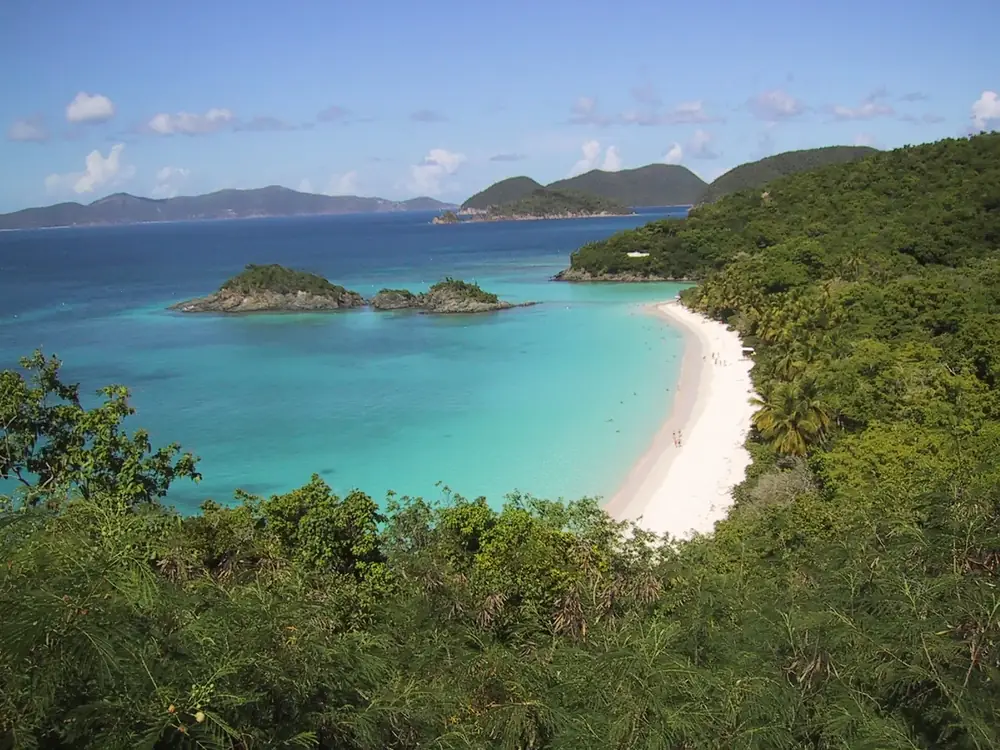 Island Guides
March 13, 2026 · 4 min read
The Ultimate St. John Travel Guide: Everything to Know Before You Go
Plan a St. John vacation with current advice on ferries, beaches, rental Jeeps, where to stay, seasonal closures and island etiquette.
Read the story Island Guides
January 2, 2026 · 4 min read
Do You Need a Passport for the U.S. Virgin Islands?
U.S. citizens do not need a passport for St. John or the USVI, but a BVI day trip does. Here is exactly which documents to bring.
Read the story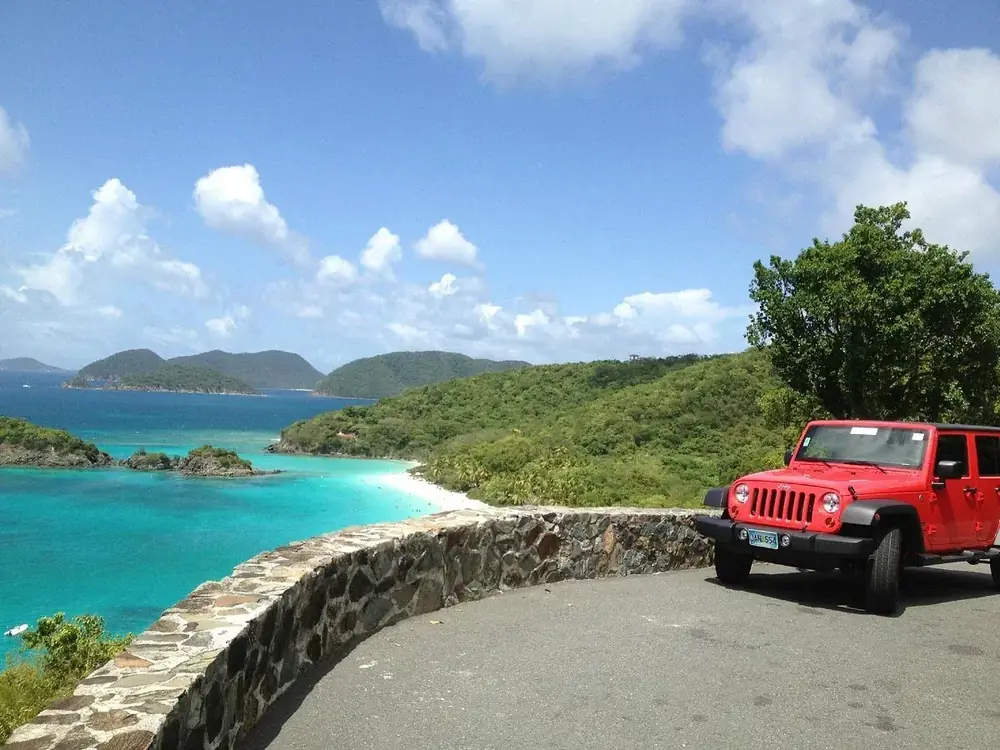 Island Guides
March 20, 2026 · 3 min read
A One-Day St. John Jeep Route: Beaches, Views and a Mid-Island Meal
Follow a realistic St. John Jeep route through North Shore beaches, Maho Bay, panoramic overlooks and a mid-island lunch at Drifters.
Read the story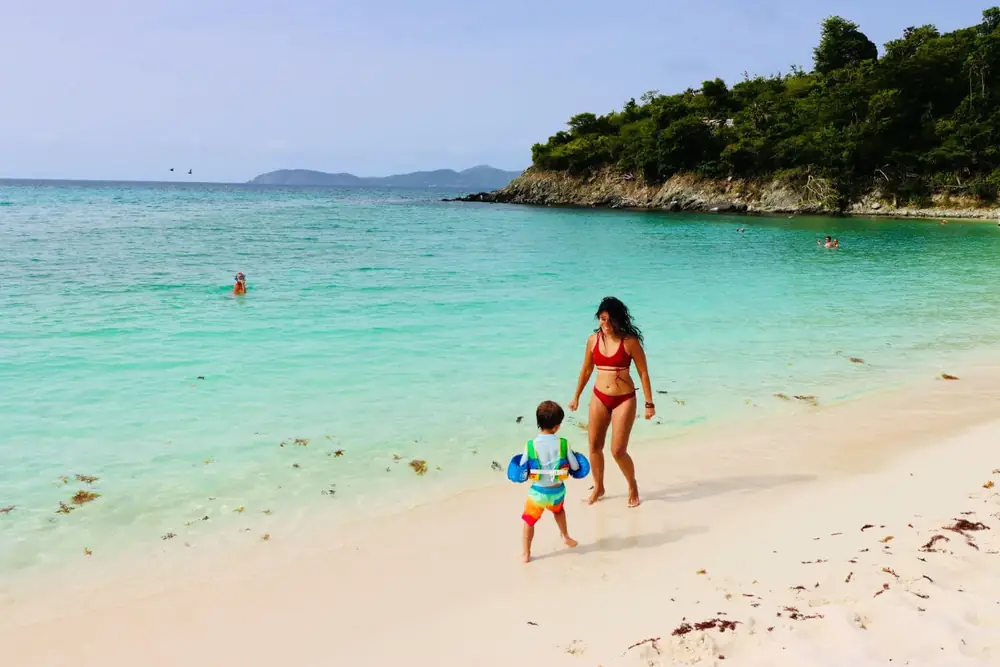 Island Guides
January 9, 2026 · 3 min read
St. John With Kids: A Family-Friendly Vacation Guide
Plan St. John with kids using family-friendly beaches, Junior Ranger activities, transportation advice, dining tips and a realistic itinerary.
Read the story