
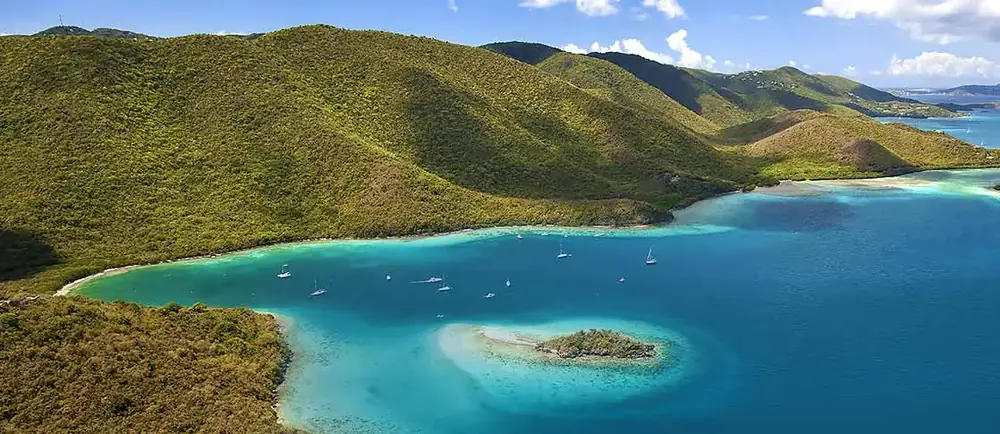
The Best Beaches on St. John: A Complete Visitor’s Guide
Compare the best St. John beaches for snorkeling, families, facilities, turtles, hiking and quieter beach days in Virgin Islands National Park.
· 3 min read · The Drifters Team
The best St. John beach depends on the day. Trunk is strongest for facilities. Maho is easiest for shallow entry and possible turtle sightings. Hawksnest is practical from Cruz Bay. Francis offers a quieter setting and birding. Salt Pond belongs in a southeastern itinerary.
Beach comparison
| Beach | Best for | Facilities | Main planning point |
|---|---|---|---|
| Trunk Bay | First visits and facilities | Restrooms, showers, food, rentals | Entrance fee for age 16+; no lifeguard |
| Maho Bay | Easy entry and turtle habitat | Restrooms nearby; food across road | Road and parking congestion |
| Cinnamon Bay | Full-day beach visit | Campground and beach facilities | Service hours vary |
| Hawksnest | Families and shorter visits | Restrooms and changing areas | Arrive early |
| Francis Bay | Quieter day and birding | Basic facilities and boardwalk | Limited parking |
| Caneel Beach | Beach near Cruz Bay | Public parking and portable toilets | Gate closes at 5 PM |
| Salt Pond | Southeast and Ram Head | Limited | Hot walk and exposed terrain |
| Haulover North | Experienced snorkelers | Minimal | Rocky entry and changing conditions |
| Lameshur Bay | Remote, uncrowded swim | None | Rough access road, high-clearance vehicle helpful |
| Denis Bay | Quiet, short walk-in | None | Small unmarked pull-off, easy to miss |
Trunk Bay
Current NPS information lists facilities from approximately 8 AM–4 PM and food and rentals from 10 AM–4 PM. Visitors age 16 and older pay an entrance fee. No lifeguard is on duty. The underwater snorkel trail is marked with submerged plaques and is best attempted early, before wind and boat traffic reduce visibility.
Maho Bay
The shoreline sits close to the road, and seagrass supports turtle habitat. Wildlife is never guaranteed. Remain at least six feet away and never touch, follow, or surround a turtle. Roadside parking along North Shore Road (Route 20) fills quickly on sunny mornings; arriving before mid-morning improves the odds of a legal spot.
Cinnamon Bay
Choose Cinnamon when the group wants to settle in, walk the beach, use campground-area services, and visit the historic boardwalk across the road. It is also one of the longer stretches of sand on the North Shore, useful for groups that want space to spread out.
Hawksnest
NPS lists accessible parking, restrooms, changing rooms, and access toward the beach. Conditions can still affect accessibility. Hawksnest is the closest North Shore beach to Cruz Bay, which makes it a practical choice on a day with a late start.
Francis Bay
The accessible boardwalk behind the beach passes through wetland habitat used by birds. Parking is limited, so leave when no legitimate space remains rather than parking along the road shoulder.
Caneel Beach
NPS lists designated public land access and parking from 7 AM–5 PM. The former Caneel resort pier remains closed. Follow the marked route and stay out of closed areas.
Salt Pond Bay
The walk back to the parking area is hot. Carry water even when the plan is only to swim. Evaluate current water and weather conditions before entering, and pair a visit with the Ram Head trail if the group has time — see the 5-day itinerary for how that fits into a broader southeast-side day.
Haulover North
This rocky site is for confident snorkelers who evaluate wind, waves, entry, and visibility honestly. It is not a beginner site on a rough day.
Lameshur Bay
Reaching Lameshur means driving past Salt Pond on a rougher, unpaved stretch of road; a standard sedan can struggle, and a higher-clearance rental is more reliable. The reward is a beach that rarely feels crowded even in high season.
Denis Bay
A short, unmarked trail off North Shore Road leads down to Denis Bay. There are no facilities, so this is a beach for travelers who already have water, sun protection, and a plan for the day, not a base for a long stay.
Which beach is best for children?
Start with Hawksnest, Maho, or Trunk, while still evaluating the conditions that day.
Which beach is best for snorkeling?
Use the current wind, swell, current, visibility, and experience level. The Friends VINP snorkel guide provides site-specific planning information.
Park rules visitors miss
- Pets are prohibited on park beaches.
- Glass containers are prohibited.
- Smoking and vaping are prohibited on beaches and near picnic areas.
- Ground fires are prohibited.
- Drones require written authorization.
- Food-storage rules apply.
Etiquette worth knowing
Stepping on live coral, standing to rest on reef structure, and feeding fish or turtles all cause lasting damage even when they seem harmless in the moment. Rinse off reef-safe sunscreen residue where possible, and give other swimmers and boats room, particularly near mooring balls.
Where to eat afterward
Eat across from Maho when staying near the water is the priority — see where to eat near Maho Bay. Stop at Drifters when returning through Centerline Road or continuing toward Coral Bay, or check our best lunch guide for other midday options along the route.
Frequently Asked
- Are St. John beaches free?
- Most park beaches have no admission fee. Trunk charges $5 for visitors age 16 and older.
- Does Trunk have a lifeguard?
- No.
- Can I bring a dog?
- Not to National Park beaches.
- Are turtles guaranteed at Maho?
- No.
More from the Journal
 Place & View
July 31, 2026 · 3 min read
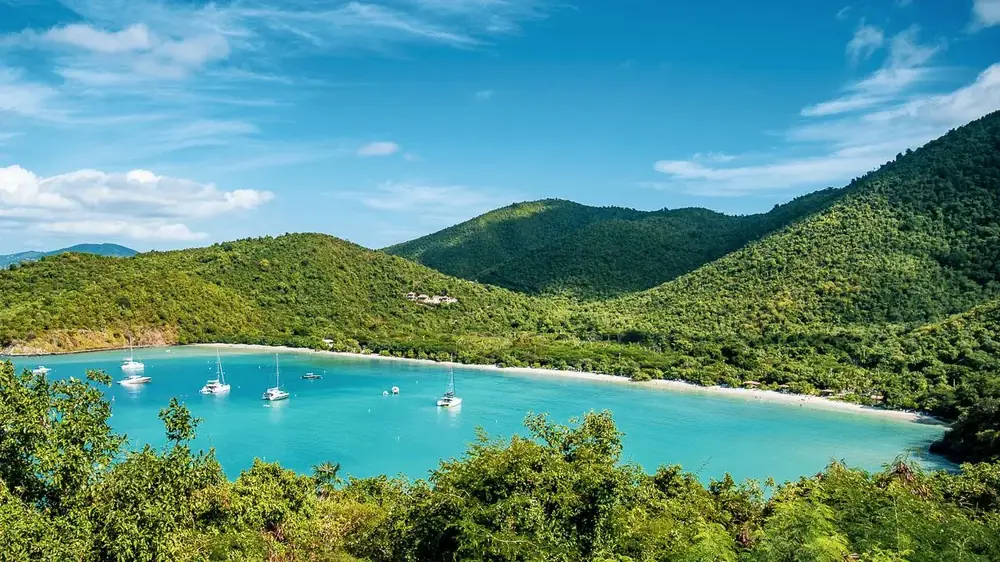
Where to Eat Near Maho Bay: A Local Guide to Breakfast and Lunch
Find breakfast and lunch near Maho Bay, including beachside food, smoothies, takeout and a practical mid-island stop at Drifters.
Read the story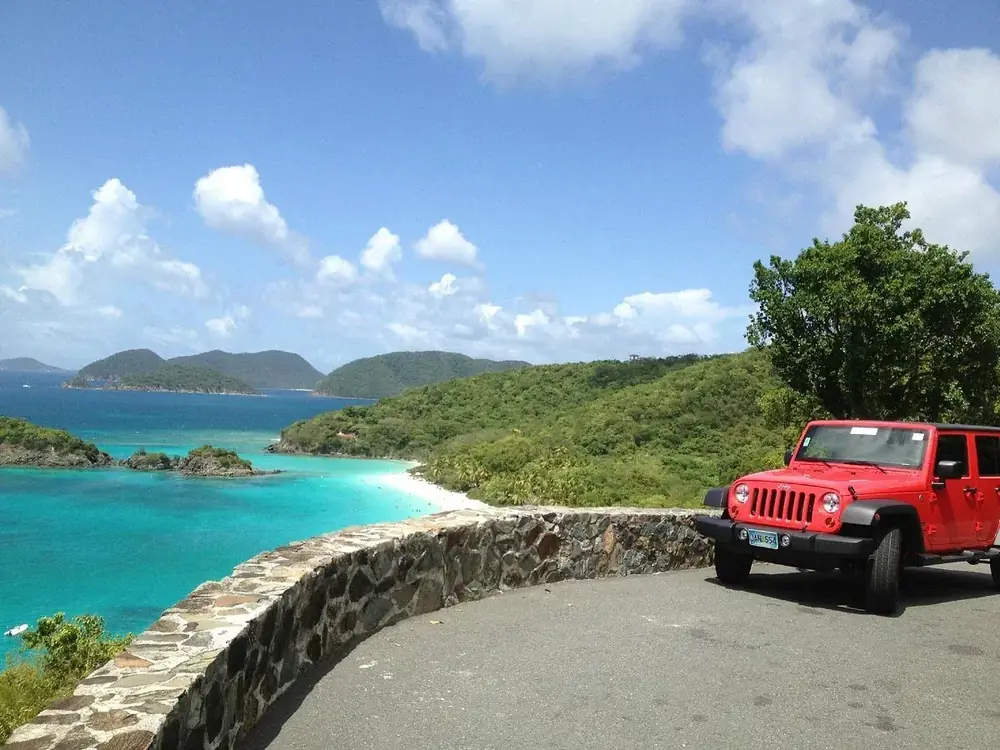 Island Guides
March 20, 2026 · 3 min read
A One-Day St. John Jeep Route: Beaches, Views and a Mid-Island Meal
Follow a realistic St. John Jeep route through North Shore beaches, Maho Bay, panoramic overlooks and a mid-island lunch at Drifters.
Read the story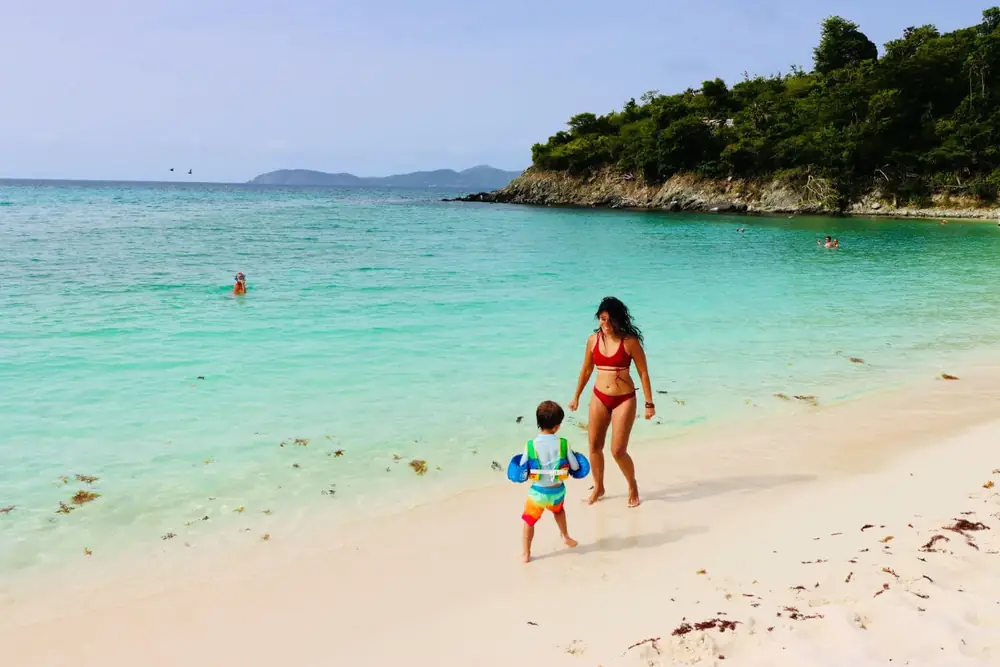 Island Guides
January 9, 2026 · 3 min read
St. John With Kids: A Family-Friendly Vacation Guide
Plan St. John with kids using family-friendly beaches, Junior Ranger activities, transportation advice, dining tips and a realistic itinerary.
Read the story Kitchen & Bar
June 12, 2026 · 3 min read
St. John Takeout Guide: Easy Food for Beach Days and Island Drives
Find St. John takeout for beaches, villas and island drives, with route-based pickup advice and practical National Park picnic rules.
Read the story