

Things to Do in St. John, USVI — A First-Timer's Honest Guide
The local, unhurried version of a St. John first-trip plan: beaches, ferry timing, sunset, and how not to over-schedule the island.
· 7 min read · The Drifters Team
St. John is the smallest of the three main U.S. Virgin Islands, and about two-thirds of it is protected national park. That fact reshapes almost every "things to do" list you'll read: the beaches are wilder, the roads are steeper, and the days end earlier than they do on St. Thomas. If it's your first trip to St. John, USVI, this is the version of the guide we'd give a friend flying in tomorrow — honest, local, and short enough to actually finish before your ferry.
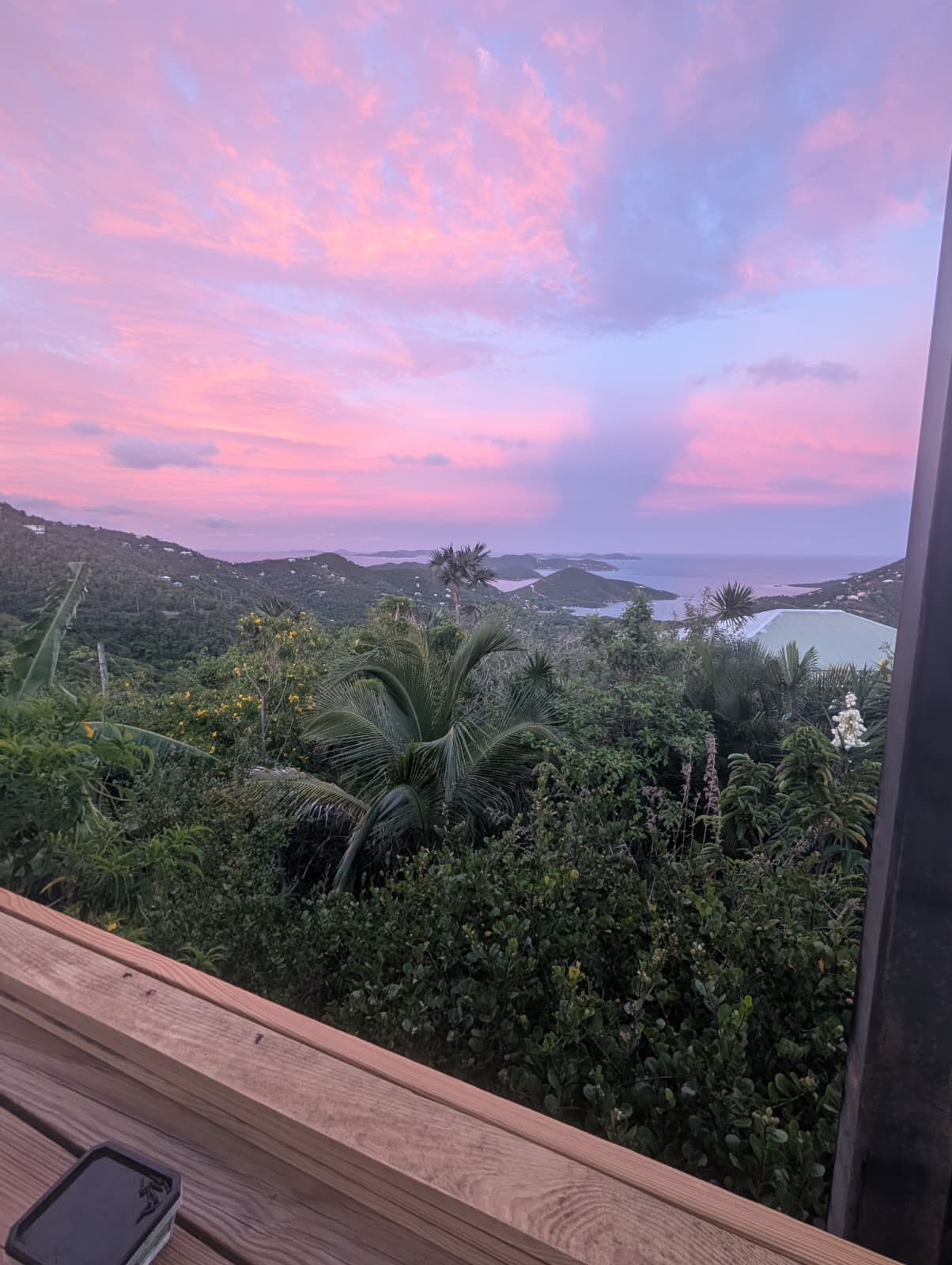
We're writing this from the Drifters deck at 760 feet, which is one stop on the day, not the whole itinerary. The rest of it is beach, food, ferry timing, and knowing when to slow down. Here's how to think about the trip.
What you'll actually be doing on St. John
Almost every first-time visitor plans too much. St. John rewards the opposite. A good day here is usually: one beach in the morning, one meal with a view in the afternoon, one sunset somewhere elevated, and a slow drive home. Try to fit four beaches and three restaurants into a day and you'll spend it in your rental Jeep.
The must-do shortlist for a three-to-five day trip:
- Trunk Bay for the postcard shot and the snorkel trail.
- Maho Bay for the calmest water, sea turtles, and a shaded picnic.
- Cruz Bay for lunch, browsing, and the ferry back to St. Thomas.
- Reef Bay Trail if you have half a day and good shoes.
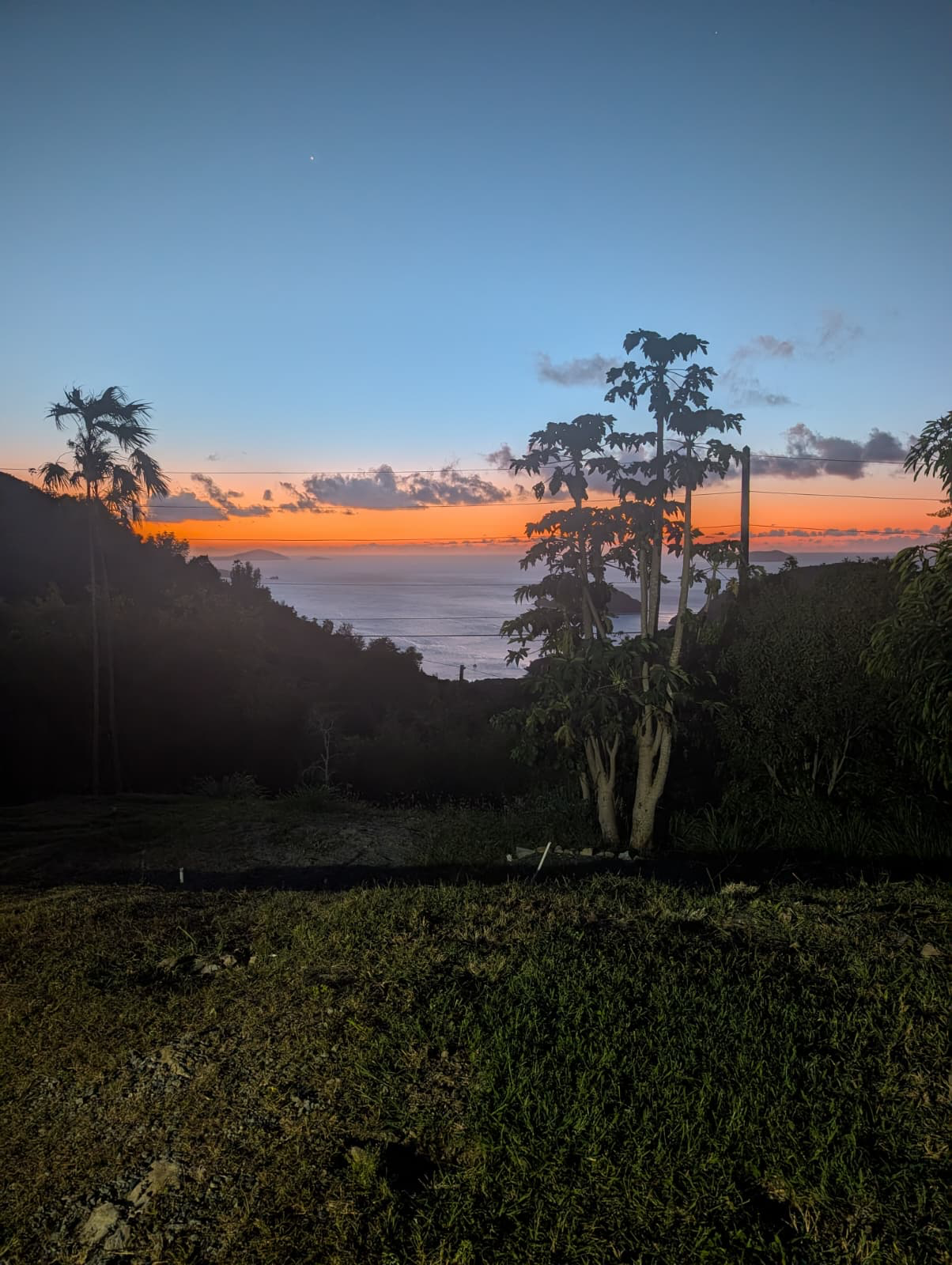
- Sunset from elevation — Drifters at 760 ft, or a west-facing overlook off Centerline Road. The horizon change is the moment of the day.
Everything else is a bonus. If you leave a beach un-visited, that's your reason to come back.
How to actually get to St. John (and around)
- 01
Fly into St. Thomas (STT), not St. John
There is no airport on St. John. You'll land at Cyril E. King on St. Thomas and take a taxi to either the Red Hook or Charlotte Amalie ferry terminal. - 02
Take the passenger ferry from Red Hook
The Red Hook–Cruz Bay ferry runs roughly hourly, takes about 20 minutes, and is the easiest option. If you have a rental car already, use the car barge from Red Hook instead. - 03
Rent a 4WD once you're on-island
St. John's roads are steep, narrow, and left-hand drive. A small SUV or Jeep is not a luxury here — it's the tool. Book it before you arrive; inventory is real. - 04
Drive to your first stop
From Cruz Bay, North Shore Road hits the famous beaches; Centerline Road climbs the ridge toward Coral Bay and past the Drifters turn-off at 760 ft.
When to come — and the timing that makes a day work
Season: December through April is peak — the driest, breeziest, and most crowded. May, June, and November are the local favorite: warm water, fewer cars in Cruz Bay, most restaurants open. September and October are the quietest and wettest; a lot of the island rests then.
Day rhythm: beaches are best 9 a.m.–1 p.m. before the sun gets aggressive. Eat lunch late (2 p.m.-ish), rest an hour, then climb for the sunset. Dinner on St. John is a slower affair than most visitors expect — 7 p.m. reservations usually feel right.
If you'd like a hilltop stop worked into the day, we're on Centerline Road at the Colombo's turn-off. Our menu, wellness shots, and panoramic deck are built for the pause between beach and dinner — or the sunset itself. See you up here.
Frequently Asked
- How many days do you need for St. John, USVI?
- Three to five days is the sweet spot for a first trip. Two days feels rushed for an island where beach mornings and slow lunches are the point; more than five and most first-timers start looking for excuses to swap in a Coral Bay day trip or a boat charter.
- What is the best time of year to visit St. John?
- December through April is peak season — driest, breeziest, and most expensive. May, June, and November are the local favorite: warm water, fewer crowds, most restaurants open. September and October are the wettest and quietest.
- Do you need a car on St. John?
- Yes, unless you're staying in Cruz Bay for the whole trip. A 4WD rental is not a luxury on St. John's steep, narrow roads — it's the tool. Book before you arrive; inventory is real.
- What time does the sun set on St. John?
- Sunset ranges from about 5:35 p.m. in December to 6:55 p.m. in June. Once golden hour starts, you have about 25 minutes of color window — plan to be somewhere elevated or west-facing during that time.
- What's the one thing every first-timer wishes they'd known?
- That St. John's sunset moves fast. Golden hour to full dark is 25 minutes flat. Be seated somewhere you want to be — a hilltop deck, a west-facing beach, or a ridge overlook — before that window starts, not during it.
More from the Journal
 Place & View
July 21, 2026 · 6 min read
The Best Beaches on St. John — and Where to Eat Right After
Five beaches worth planning a St. John day around, each paired with the food stop that makes the day actually work.
 Place & View
October 13, 2026 · 6 min read
The St. Thomas to St. John Ferry, Explained by Someone Who Rides It
Red Hook vs. Charlotte Amalie, timing the last ferry, and the two-hour buffer every first-timer wishes they'd planned.
Place & ViewAugust 18, 2026 · 6 min read
Sunset Dinner on St. John, from 760 Feet Up
Why a hilltop sunset changes the whole evening — and how to time a ridge dinner on St. John so the color window happens on your table.
 Island Life & Legacy
October 6, 2026 · 5 min read
What to Pack for St. John, USVI — After Watching Thousands of Visitors
The five things everyone forgets, what you can leave home, and the one splurge worth making before your flight.